


🚨 Welcome to Props — The Bubble's real estate newsletter. You're here because Spanish real estate is fascinating, insane, occasionally enraging, and — if you have a little money and play it right — profitable. Every week we bring you the data, the deals, the people making it happen, and the ones making it worse.
So sit back and enjoy! And send your tips, comments, suggestions, and all-cash offers to ian@thebubble.com.
The Capital Effect
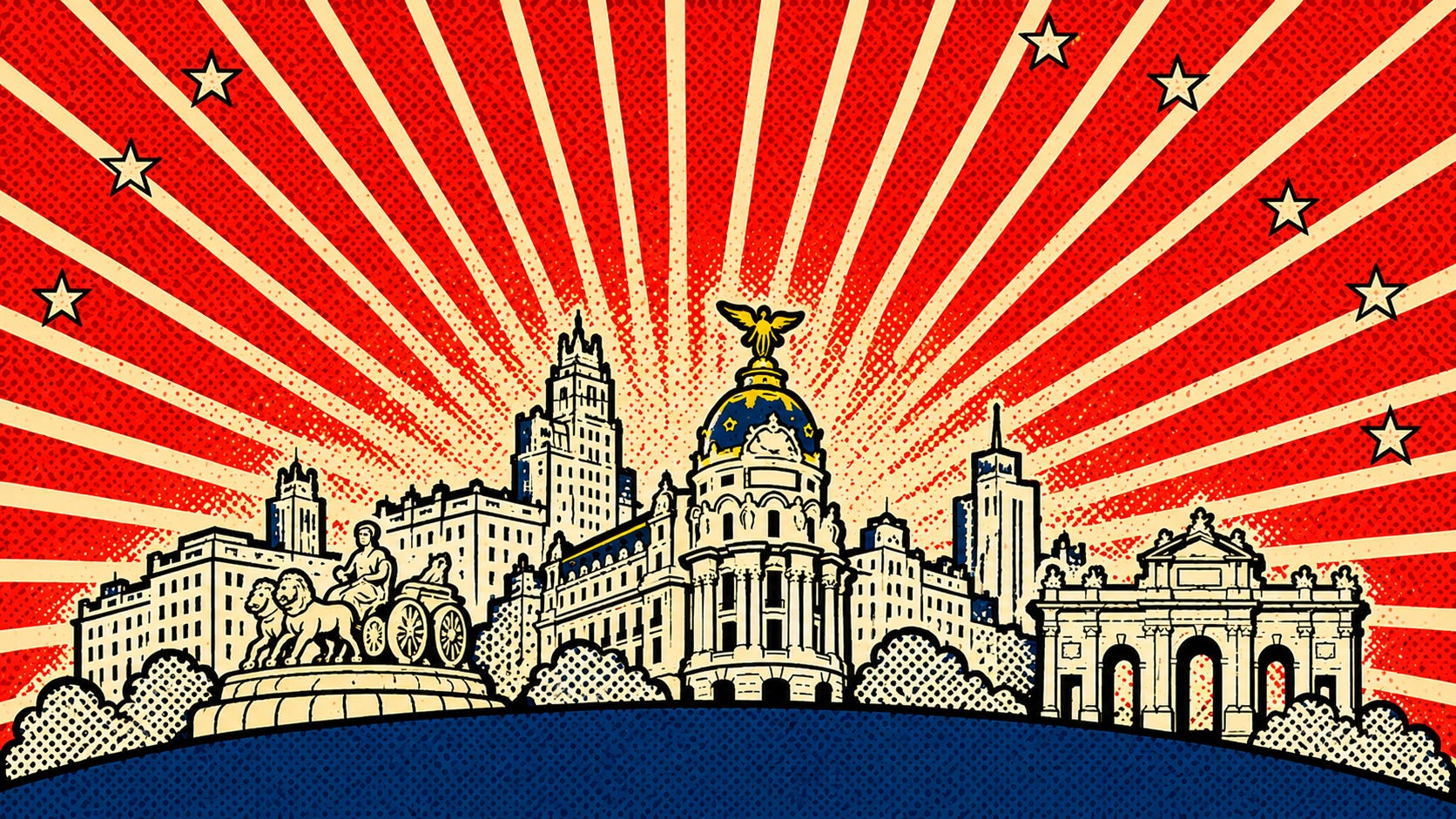
It was never going to be fair. Madrid is the capital, after all. Spain’s high-speed AVE network began with Madrid–Sevilla, then added Madrid–Zaragoza, Madrid–Málaga and Madrid–Barcelona. Notice a trend? It’s called the capital effect: the government gives itself the best connections, companies put their HQs near power, and people move for the jobs.
Some capitals get more of it than others. Washington has the nicest subway in the U.S., but its big private employers are mostly contractors and lobbyists, and Berlin isn’t a corporate hub either. Paris and London have everything.
Which brings us to Madrid. For years, Barcelona punched above its weight as Spain’s Great International City, while Madrid, with twice the population, was the landlocked bumpkin: big but not quite cool. No longer. Madrid is cool now, not just for people who want to live and work here, but for real estate investors. First, it began to pull its weight. Now it’s wolfing down nearly half the pie, in a way that may not be healthy (remember Mr. Creosote?).
Let’s dive into what happened, and why:
